Somewhere between a joystick and a folding chair, Montee Ball is doing the work he once didn’t know how to ask for.
Ball doesn’t announce himself as an advocate. He just builds space.
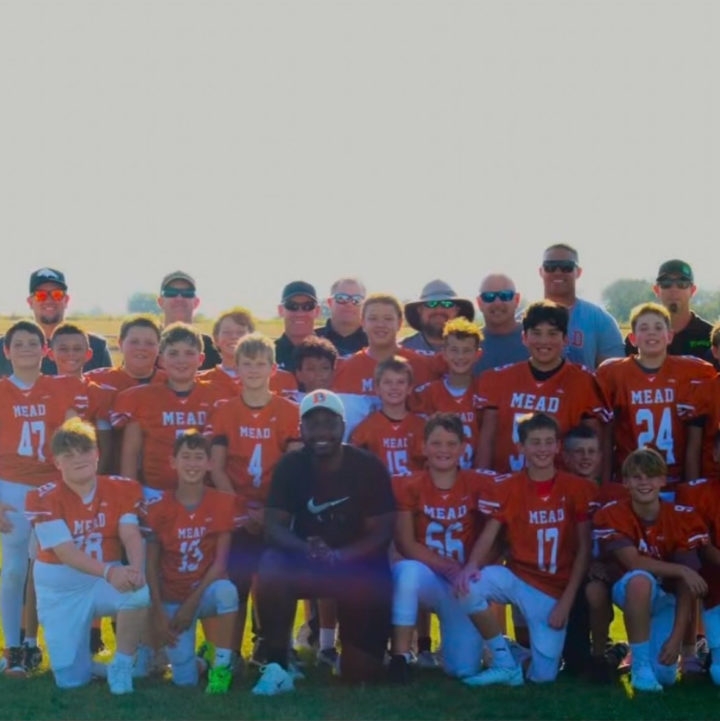
The events are created to feel light at first. Games. Flag football. A reason to show up without pressure. But once people are there, it gets real. The challenging conversations start. Quiet check-ins. Resources shared and local providers are introduced by name. Help that feels reachable, not clinical. Ball meets people where they are because he remembers how hard it was to admit where he once stood.
He knows what happens when the game disappears before you’re ready.
“My transition was a little challenging, especially with my identity being tied to performance and tied to the sport,” Ball said. “Me, believing that I'm going to play forever, right and ride off into the sunset with the gold jacket. Of course, didn't happen. That transition was a little bumpy because I struggled. I struggled mentally. I struggled with the fact that the door is closing.”
That truth shapes everything he builds now. Ball has intentionally developed into an expert in the addiction recovery space. He is a board member of 5280 High School and the president and founder of the Game Plan Life Foundation, which is more about preparation than speeches. A reminder offered gently to athletes who are still chasing the next rep, the next season, the next contract. The door will close, Ball knows. Sometimes suddenly. Sometimes unfairly.
He learned that the hard way.
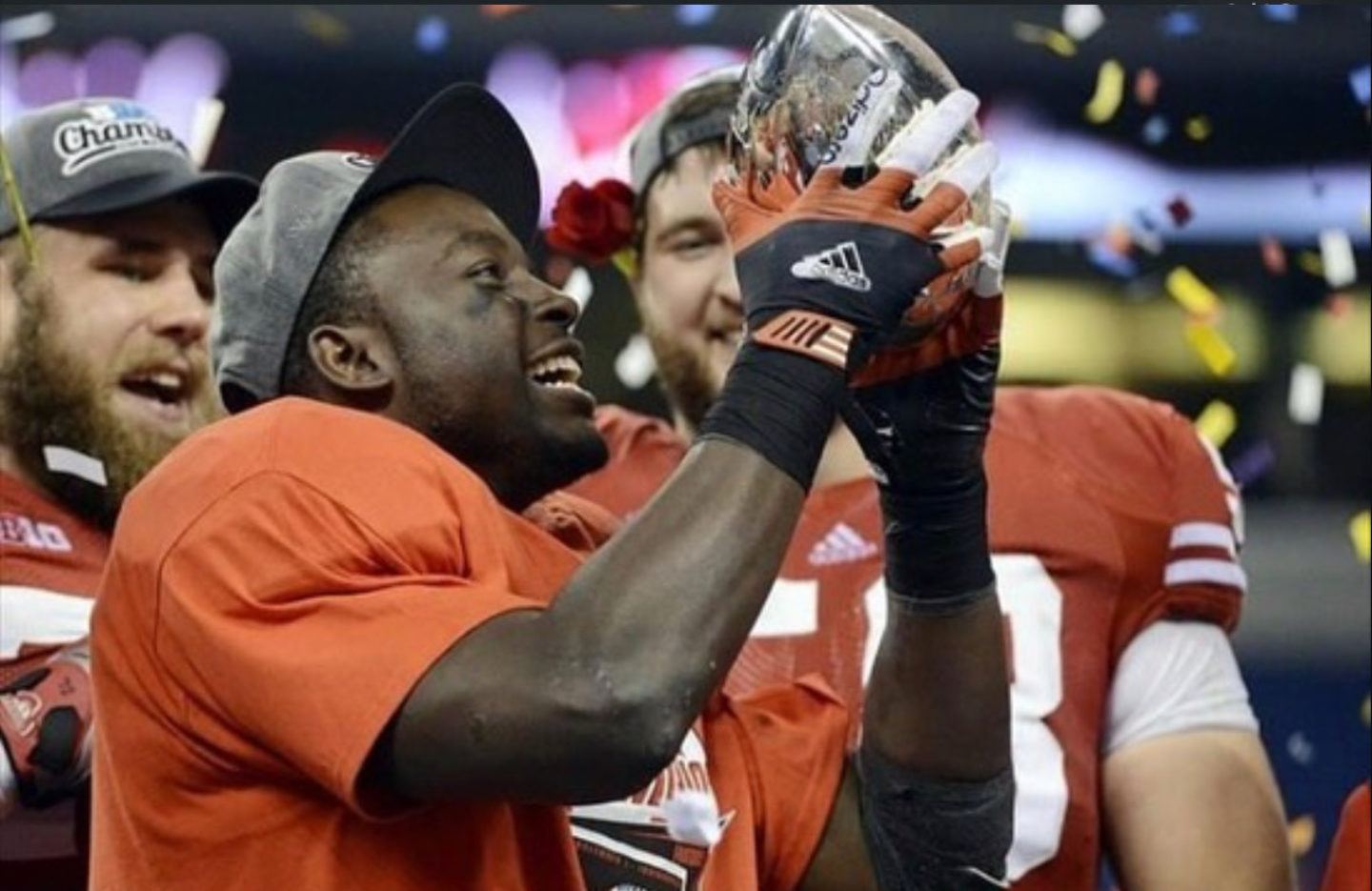
Ball stood on football’s grandest stage alongside Hall of Fame quarterback Peyton Manning with a nation watching. A rookie wearing the orange-and-blue of his favorite team, he took the field for more than half the snaps in Super Bowl XLVIII, a culmination of everything he had worked toward since childhood. Just months removed from rewriting the record books at Wisconsin, Ball was no longer chasing the dream. He was living it.
The scoreboard reflected a different reality. Denver fell hard to Seattle, the celebration belonged elsewhere, and the locker room emptied quietly. Still, for Ball, his future stretched wide and unguarded.
It wouldn’t stay that way for long.
A few weeks into the 2014 season, Ball felt a pull in his groin and tried to run through it, as players are taught to do. He had just been named the starting running back. The job was finally his. What he didn’t know then was that the pain persisted long after the injury healed, quietly closing doors he still believed were open.
When football disappeared, Ball’s burden intensified. Without the structure of the locker room or the certainty of Sundays, the weight he had been carrying grew heavier. Nights stretched longer. The coping mechanisms like alcohol and partying that once stayed hidden moved closer to the surface, and the silence after the game became harder to navigate.
Ball was able to utilize the Brain and Body assessement provided by The Trust (Powered by the NFLPA) to assist his transition. For the first time, help didn’t feel like weakness. It felt like structure.
“I had the opportunity to travel to a wonderful hospital,” Ball said. “I got a full scan from the top of my head, literally to my toes. That was very helpful to get an idea of what I needed to improve on physically and mentally, because they allow for you to meet with a psychiatrist. The Trust paid for therapy sessions.”
Years of therapy, a decade spent inside the treatment industry, countless conversations about levels of care and gaps people fall through taught him what struggle looks like when no one is watching. He saw how many athletes carried pain quietly, convinced they were alone. When he finally stepped away to build something of his own, it wasn’t a career pivot. It was a leap of faith.