"You try to be patient and understanding with the guys that come out, and all you're trying to do is help them with their earned benefits. These are things we want them to take advantage of, help their families, and build a support system so they can be productive in society. And so hopefully we can help them be efficient in doing it, and that's what we're here for. We're here to serve them, and that's why I became a Trust captain."
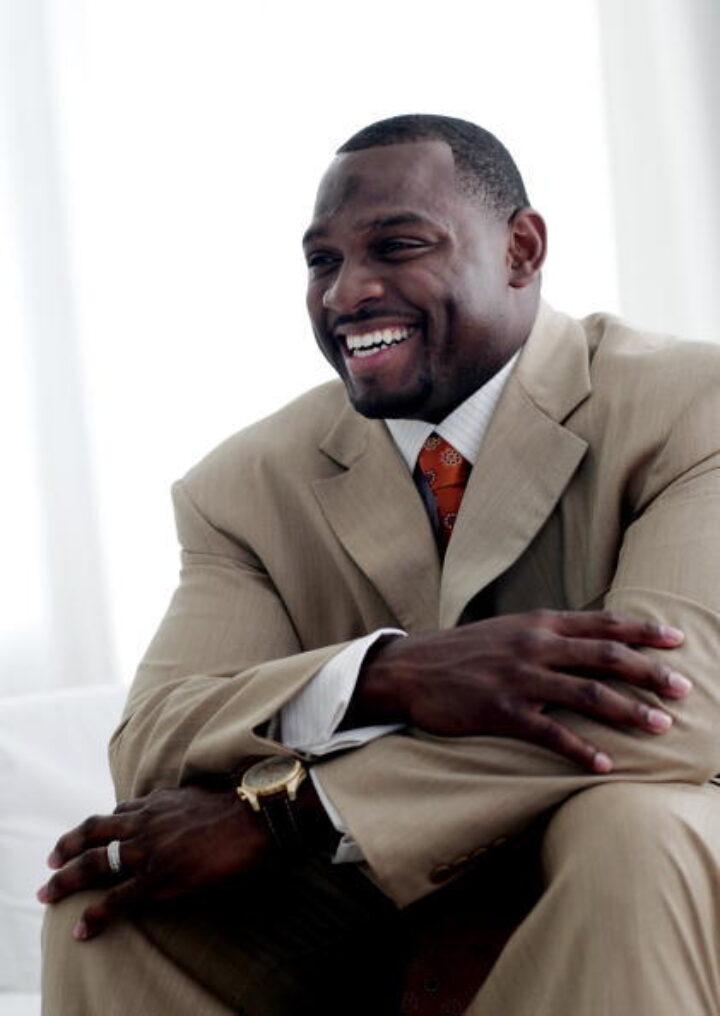
Thomas has built businesses, supported his family, and helped other players navigate life after the game.
His hospitality ventures span several concepts, including burgers and beer at Town Hall Burger Beer, Latin American cuisine at Oh Yeah! Cantina, coffee at People's Coffee, and upscale steak and seafood at Grill 620.
A friend, David Sadeghi, with decades of food-and-beverage operations experience, approached Thomas about opening a restaurant together. His partner would handle day-to-day operations, letting Thomas invest while finding a new focus for his time and energy.
"Because now instead of practice, you're looking over menus, you're looking over space, you're looking over all these different things, and trying to figure out, like, okay, what's this concept? What's this recipe?" Thomas said. "And so, it gave you a different purpose. When you find that second purpose, it takes up all that idle time."
He credits football with teaching him organization, work ethic, and preparation. Business has required another skill: patience with decisions that take longer to develop than the quick adjustments he once made on the field.
The Trust wasn't around when Thomas first left football. He retired in 2010; three years before the organization launched. During that transition, Thomas said the challenges extended beyond figuring out what came next. It affected life at home, too. He wasn't being the father he needed to be and found himself easily upset or angry.
Through The Trust's Brain and Body assessment, Thomas underwent specialized evaluations that gave him greater insight into his health after football.
The Breakfast Club offered another kind of support. Its workouts and familiar locker-room camaraderie helped him feel less alone and reconnect with a community that understood what he was going through.
"I recommend all the guys [do the Brain and Body assessment] because that just helps a lot," Thomas said. "The Breakfast Club is probably the number one thing that I've used more than anything else because it really helped me mentally to really reconnect and want to be in the space."
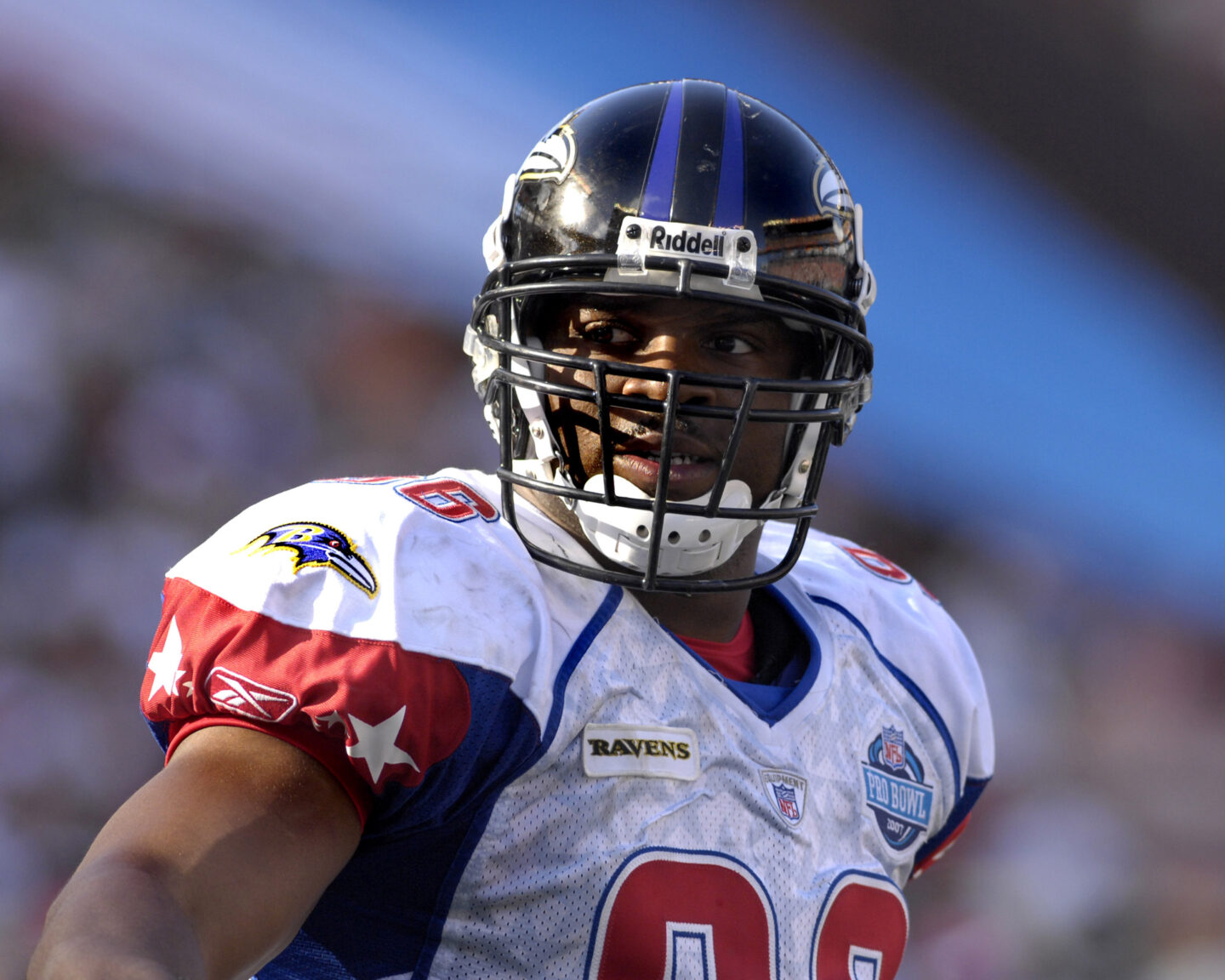
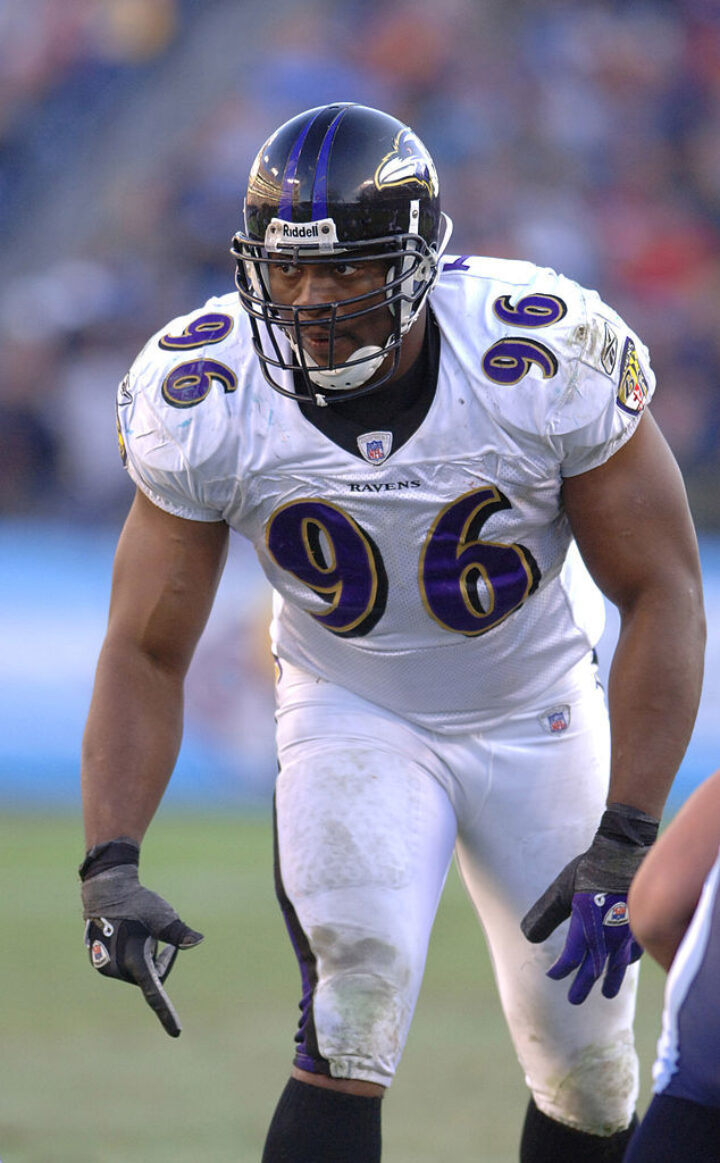
Thomas brings experience from nearly every rung of an NFL roster to those conversations. After arriving at Southern Miss as a tight end and switching to defense, he built a career that included a Super Bowl win with Baltimore, a Pro Bowl, and All-Pro honors on special teams and at outside linebacker. He also took pride in playing all 11 defensive positions.
"I was a sixth-round pick, just did make the team," Thomas said. "I was a special teams player, and then I became a starter and a Pro Bowl player on defense. And so being able to relate to guys in different parts of their career, there's no part of it that I don't understand, and I think that is important for guys to say, 'You know, it's easy for you to say that because you were a first-round pick.' No, I wasn't."
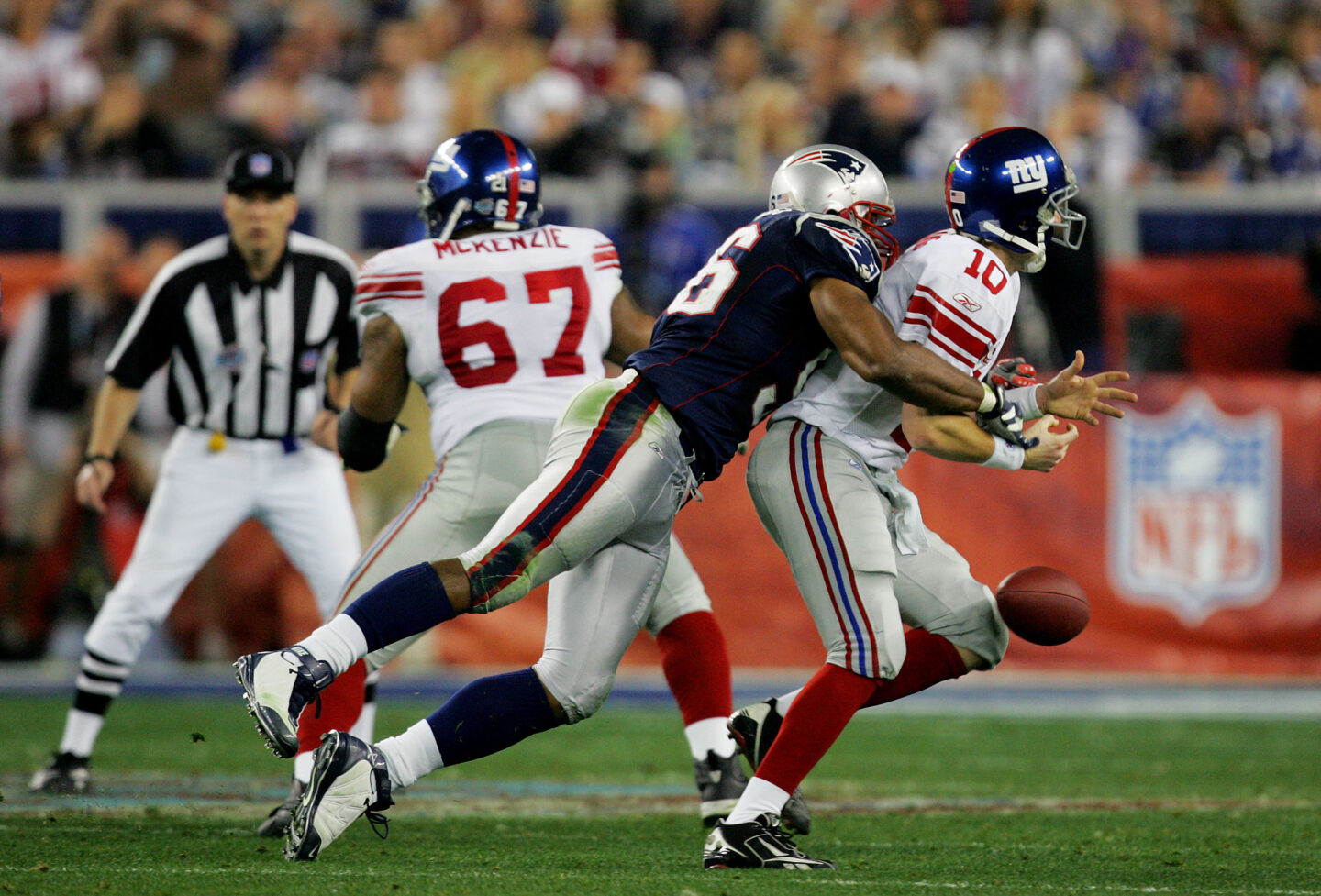
Thomas learned the value of preparation and accountability from teammates such as Ray Lewis and Tom Brady. His teammates in Baltimore and New England also elected him as their player representative, trusting him to advocate for their needs and fair treatment. Today, as a recently named Trust Captain, he draws on those experiences and his own difficult transition to encourage former players to seek support. His approach is straightforward: "Hey, look, man, you should go and do this. This is what helped me."
These days, Thomas enjoys spending time with his kids and parents, eating great food, traveling, and giving back to the game. Each holiday offers a cherished chance to celebrate together, but they don't need a special occasion to enjoy each other's company. Thomas also enjoys ordinary routines: firing up the grill, going fishing, or climbing onto his lawnmower to cut the grass.
"My family is my pastime," Thomas said. "I try to spend as much time with family as possible because at the end of the day, when the dust settles, that's who's going to be there. They invested in me, and we truly enjoy each other. My family and my kids. That's my happy space."